
Should We Be Eating Insects?
Before we get carried away by the green surge, and usher in the era of caterpillar kebabs on the barbeque, it’s worth weighing up the offerings of the insect chalice.

Before we get carried away by the green surge, and usher in the era of caterpillar kebabs on the barbeque, it’s worth weighing up the offerings of the insect chalice.

How could you possibly mess up a diet where the only test is in finding the right amount of salt for your porterhouse steak? As it turns out, there can still be a few nuances to the most basic of blueprints.
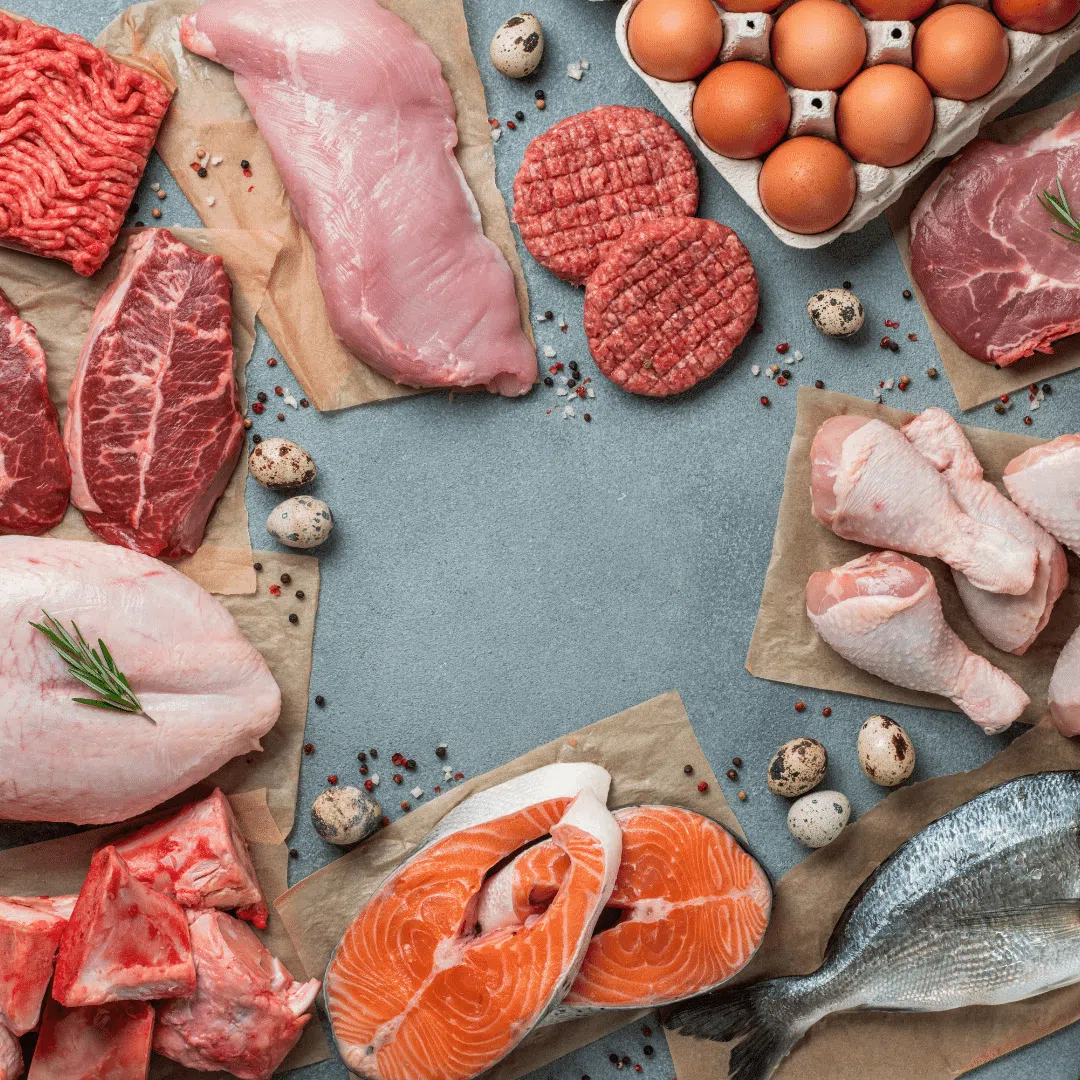
After making it through a year on this diet, I feel qualified to lay down the definitive top-down list of the apex menu.

Salt has been given a bad rap over recent decades, getting the finger of blame for the western world’s run-ins with high blood pressure, heart attacks, stroke, and kidney disease.

Eat more fat, to lose the fat. That might seem counterintuitive to those who haven’t already been schooled in the dark arts of keto. But when you start digging into the science behind this claim, it should start to look a little more credible.

As a diet that sits on a polar extreme of the nutritional extreme, carnivore is wide open to take body blows from dieticians.

The agricultural revolution was a trade deal, and our ancestors agreed to pay the price. They received more food, and with it, more people. In return, they gave up their health, and in all likeliness, their happiness.

Ever wondered why we don’t go around hunting mountain lions for dinner? Obviously, there might not be many lurking around your part of the world, but this applies to practically all carnivores.

This might be the elixir of life we’ve been chasing in alchemy labs since the days of the Ancient Greeks. Or at least, it’s the gateway to living long, and living well.
